Showing posts with label global citizen. Show all posts

Sunday, June 15, 2014

Geography Projects

We have learned about the land and water (the geography) of 4 different countries -- Peru, Ukraine, Tunisia and India.  After our learning, we worked with a partner to go deeper into a specific geographic feature of one of the countries.  We created a map of that country using clay.  This is called a topographical map.  We also did some more research and then worked collaboratively with our partner to write our paragraph using Google Drive.

Here are our final projects!

Peru -- Amazon Rainforest       


The Amazon rainforest is found in Peru.  The Amazon Rainforest stretches from the Atlantic Ocean to the tree line of the Andes.  The Amazon Rainforest is the and most varied biological reservoir. The Amazon Rainforest is the largest Rainforest in the world.  It is also home to many animals like bats,jaguars,and piranhasIf you want to see wild nature you should visit Peru.


Ukraine Steppe region

The steppe region is found in Ukraine.  Grassy plains instead of sandy plains with rich black soil.  The forest steppe is margin to 300 mm.  Has been completely modified. Fields and fields of wheat and corn fields. Dominant On the dry pastures of the southern.  salinized soils following steppe or careless irrigation improper.  Eat bread with every me.  It is a amazing site to see.


Peru--Andes Mountain
The Andes Mountain are found in Peru. Mountain people make hats sweaters and gloves using wool from alpacas. People grow potatoes and vegetables.The Andes Mountains are very high.The land on the Mountains is not good for farming. It is a fun place.
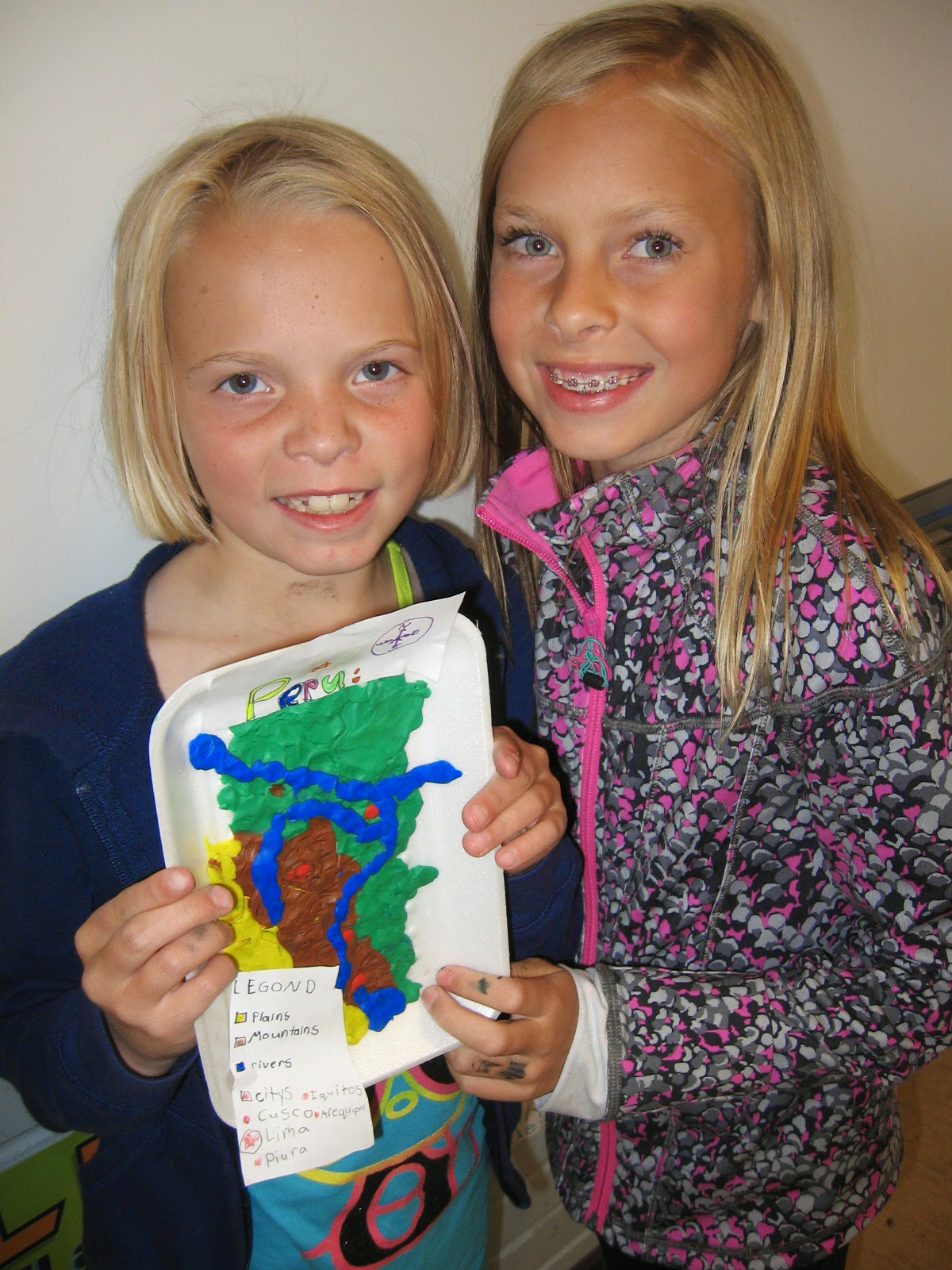
 

 Peru -- Amazon Rainforest
The Amazon Rainforest is the world's largest tropical rain forest. East of the mountains is the Amazon RainForest.  The world`s largest rainforest is the Amazon RainForest.  There are many river`s by the rain forest.  The rainforest has a lot of creatures and animals.  Some people live in the rain forest.They have to know what they can eat and what they can`t eat.  The people that live in the rainforest are not like other people.They dont have clothes like them.Or eat food like.  They eat Leaves, meat,fruit.  They sometimes have little family`s and big family`s. Peru is the best place you should visit.
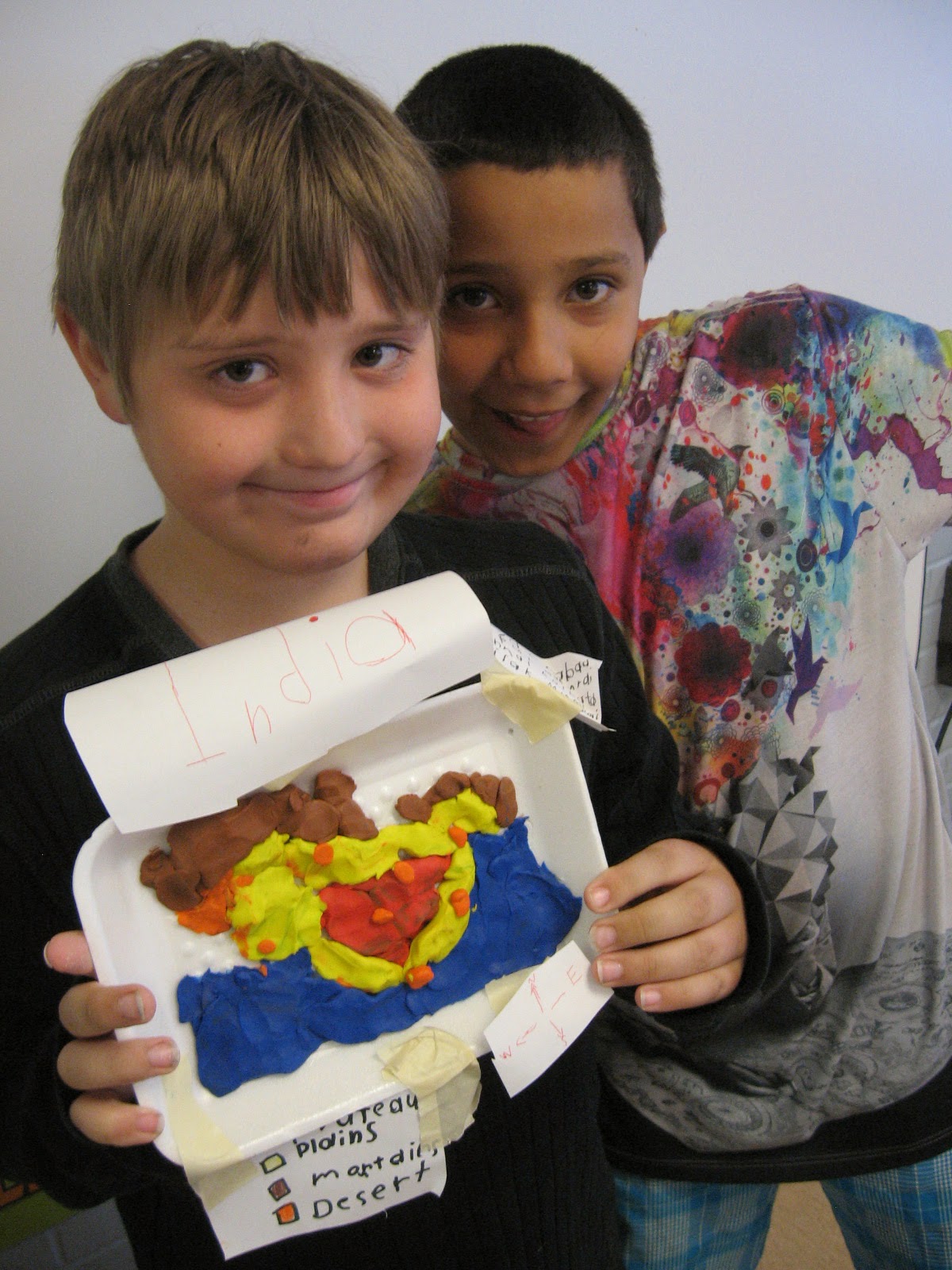
 India -- Thar Desert


2000.000 square km territory.  2,5 metamorphic rocks formed. The grass from the main natural resources.  Cattle sheep camels.  However water is a scarce.  2000.000 square km of territory of thar deserts.


 Ukraine -- Crimea       


Crimea is in Ukraine and is hot and cold. Crimea is right beside the black sea.  Did you know that Russia and Ukraine are fighting over Crimea?  The sea of Azov cover about 10,400 square miles.
Yalta served as the scene of a historic conference of allied leaders during world war II , 1939 -1945.  Crimea food is tasty and very varied.  The population of Crimea is 2,033,1700.  It is a very nice place to visit.

 India -- Himalayan Mountains


Some of the highest mountains in the world are located in the Himalayan. It has some of the ten highest peaks. Heavy snow falls in the winter. Summers are cool. Women want to protect their trees by hugging them. You should go there because there is beautiful sights.

Ukraine--Carpathian Mountains
The Carpathian Mountains range measuring some 2061 m high. They are 5%of Ukraine.  It is a wonderful habitat for animals and humans.  The carpathian mountains Lakes and rivers.  The carpathian mountains also have glaciers and waterfalls. We say its beautiful.

 India -- Ganges River
The Ganges River is found in India. It is 1560 miles long. It starts at the Himalah and empties at the bay of bengal.
 

India -- Thar Desert


The Thar Desert is located in India.  The Thar Desert is also known as the great Indian Desert. Few people lived there for there was very little water. 77,000 square miles thats how much room the Thar Desert takes up. The Thar Desert has power plants. The Thar Desert precious minerals. Some women in the Thar Desert have to walk for water and walk for miles. There they get 10 inches of rain annually. The Thar Desert does spread over four states. There are camels cool. There are sheep there are sheep. There are ancient stone buildings. India Thar desert is a relaxing place, hot place.


Peru-- Amazon Rainforest


It has the largest tropical rainforest in the world.  Half is in Brazil.  It has 10% of the animals.  It has 40000 million plants.  There are dangerous animals. It is a very nice place to visit.

 
India -- Himalayan Mountains   
The Himalayan Mountains are found in India.  They don't just go through India but also Nepal.  The tallest mountain in the Himalayan Mountains is Mt. Everest, It is in Nepal. It is 8,848 m tall.  The tallest mountain in the Himalayan Mountains in India is Mt .Kanchanjunga. It is 8,598 m tall.
The Himalayan Mountains have big forests.  They are a really cool place to explore!


India Ganges River
India has the largest river. It is 1560 miles (2510)km. The Ganges starts at the Arabian Sea and ends at the Bay of Bengal. They welcome the rain in the monsoon season. The Ganges is very large.


We were wondering...


Have you ever visited any of these places?
Which place would you like to visit?

Monday, March 31, 2014

Celebrating World Water Day

On Friday, March 21st, our class spent most of the day learning more about water -- both locally and globally.  We started the day by thinking about what we already knew about water and recording our ideas in a web.  Next, our teacher challenged us to draw a diagram of where our water comes from and where it goes.  We all had some ideas of what this might look like.  Here are some pictures of what we drew:


For our next activity, our teacher showed us a presentation called Tikho's Story.  It was a young girl showing us how she gets water in her community in Zambia.  It was sure interesting to see how things are very different -- not only how they get water, but also how their sewer and handwashing works.

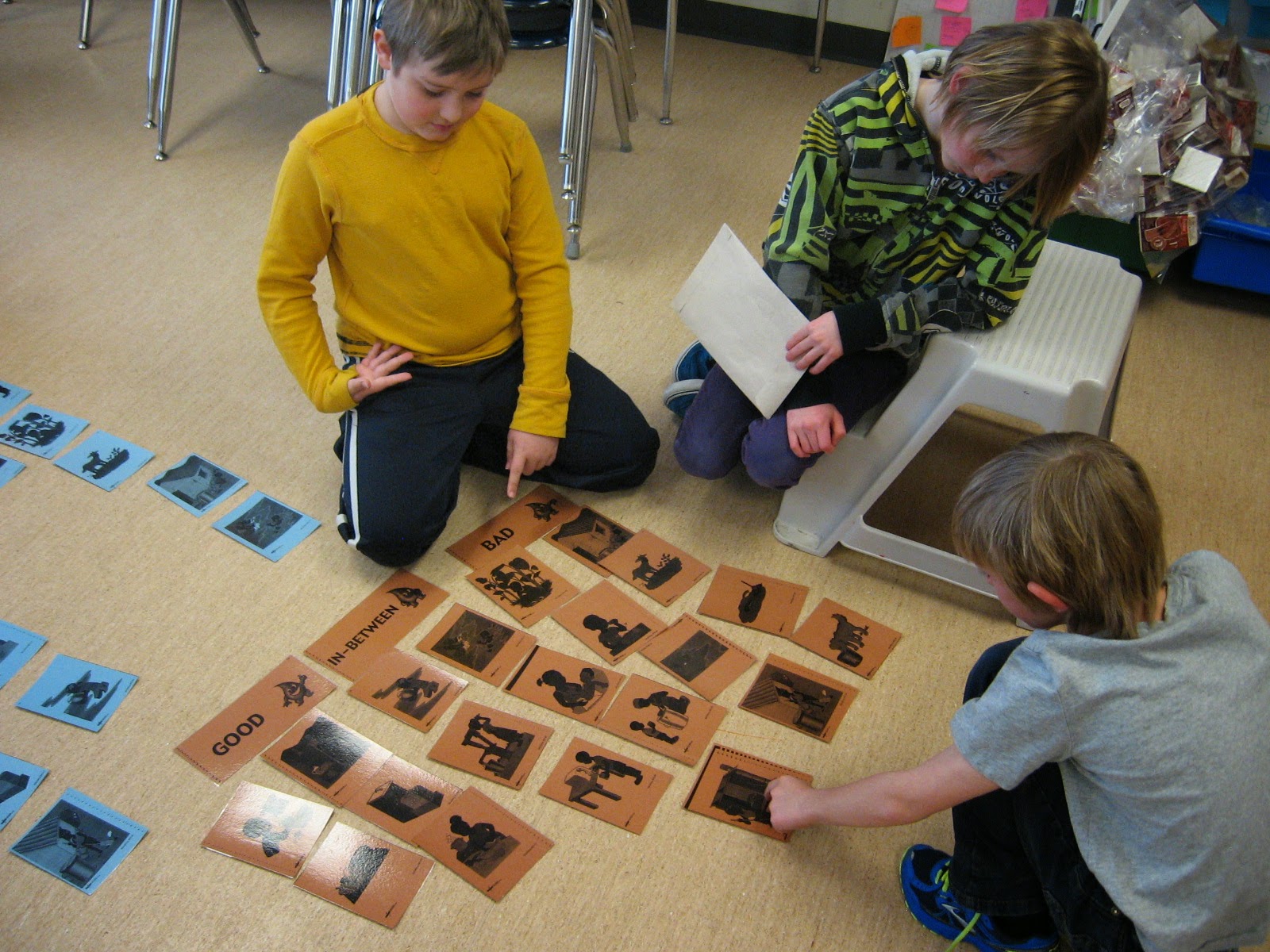
After viewing Tikho's story, we did a "3 Pile Sort" activity.  We worked with a partner and were given a bunch of pictures related to water in Africa.  We had to decide if each picture was "good", "bad" or "inbetween" and explain to our partner why we thought that way.  Some of the pictures were hard to decide!  We also did a similar activity but using pictures of water in North America instead.  We quickly realized that for many of the pictures, there was no one correct answer and our conversations were very interesting.


Next, we learned about the story of Ryan and Jimmy.  Our teacher showed us the book, but because it was so long, she just summarized it for us.

Ryan and Jimmy
Photo Credit: Kids Can Press
We thought it was awesome that Ryan got to visit his well in Uganda -- what an amazing experience that would be!  We also watched the video trailer for the movie that was made.  You can watch it here:
We also got to take home an article from Owl Kids Magazine that included some information about Ryan. 

For our first activity in the afternoon, we had a guest speaker.  The person responsible for ensuring we have clean water in our town came and talked to us about how we get our water, how it's cleaned and how we get rid of our waste water.  He brought water samples that were collected at different points in the treatment process and showed us pictures of the whole process.  It was interesting to learn more about water right in our own community.


To help us understand what a big job it is to collect water, we got to do a water collection activity.  We were put into 4 teams or "families".  On one end of the room, there was a bucket with 2 liters of water in it -- that was the well we had to collect water from.  On the other end of the room, was our home, with an empty bucket.  We had to take turns in our "family" collecting water from the well using a dixie cup and filling our bucket at home.  Sounds easy, right?  Well, not really.  Eventually, the cups got soggy and didn't hold water very well.  We tried to keep as much of the water in the cup by covering it with our hand.  It was so hard to get all of the water from the well into our house!


We learned that it takes lots of trips to get enough water.  We also learned that you need to be careful not to spill any of the water, because then we would be wasting it and would have to make more trips to the well.  It was a great way to learn this!

Our last activity for the day was the "Jelly Bean Activity".  We started by completing a sheet to identify our priorities for using water.  Almost everyone felt that "drinking" was the most important use of water, but we had some disagreements about what the least important use was -- some thought "washing a car", "watering the lawn" or "flushing the toilet". 
For the next part of the activity, we were divided into groups.  Four of the groups were from Nicaragua and the other four groups were from Canada.  The groups from Nicaragua were given a cup with 12 jelly beans in it and the Canadian groups were given cups with 65 jelly beans in them.  The jelly beans represented the water available to us for one day.  Every cup from both countries had 5 black jelly beans in them -- this represented the polluted water and we were encouraged not to use them.  Next, each group was given 8 cups that were labeled with the different ways to use water and the number of jelly beans (water) it required.  The Nicaragua groups found it very hard to use their water (jelly beans) and do everything they needed to in a day.  Some of the groups even decided to use their polluted water, for things like "washing clothes" or "flushing the toilet".  The Canada groups were able to easily do all of the water activities with the jelly beans and didn't even have to use the polluted water.  It was interesting to hear some of the Canada groups suggest that they could save their left over water for the next day, while others suggested donating their left over water to the Nicaragua groups.


We ended our day by taking some time to think about how each one of us can do small things to take care of water.  We each filled out an action sheet to take home and share with our family.

We were wondering...

How did you celebrate or learn about World Water Day?
What is one thing you can do to take care of our water supply?